Exploring How We Could Make Mars Habitable
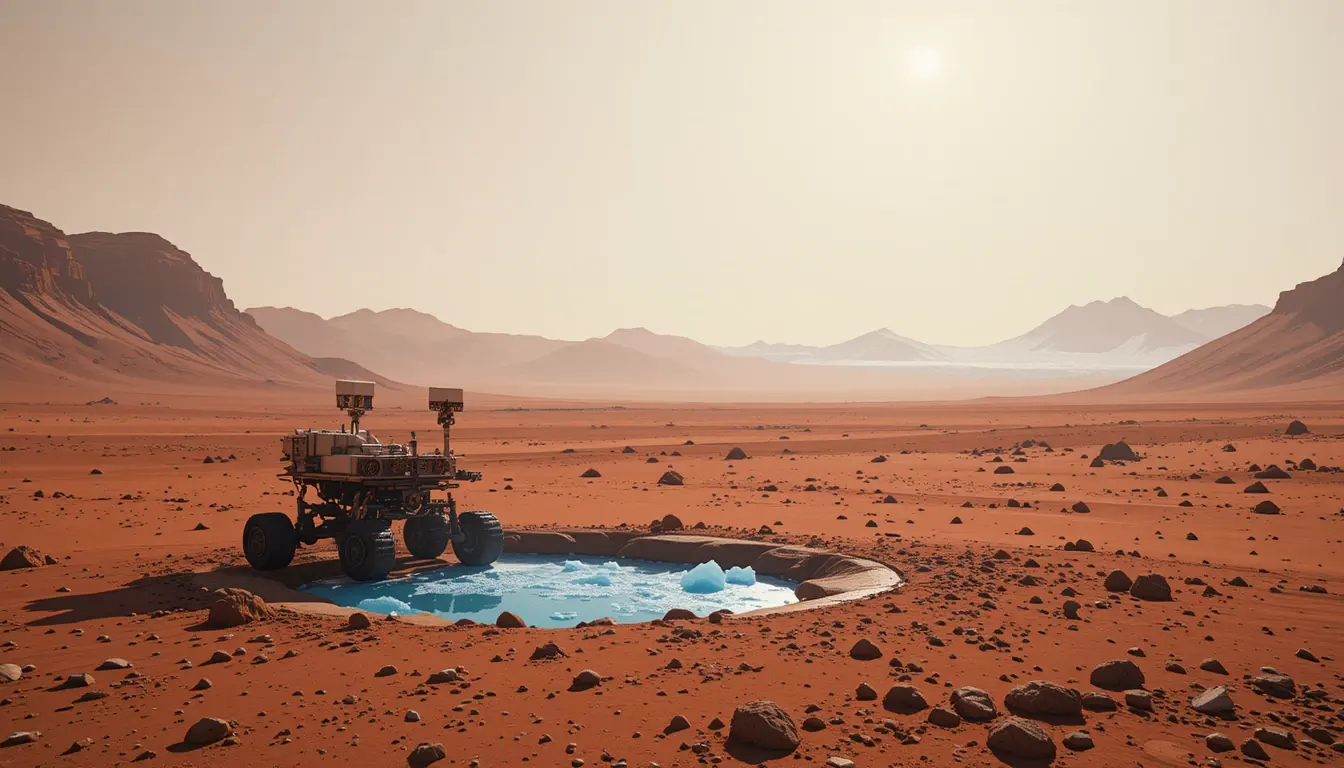
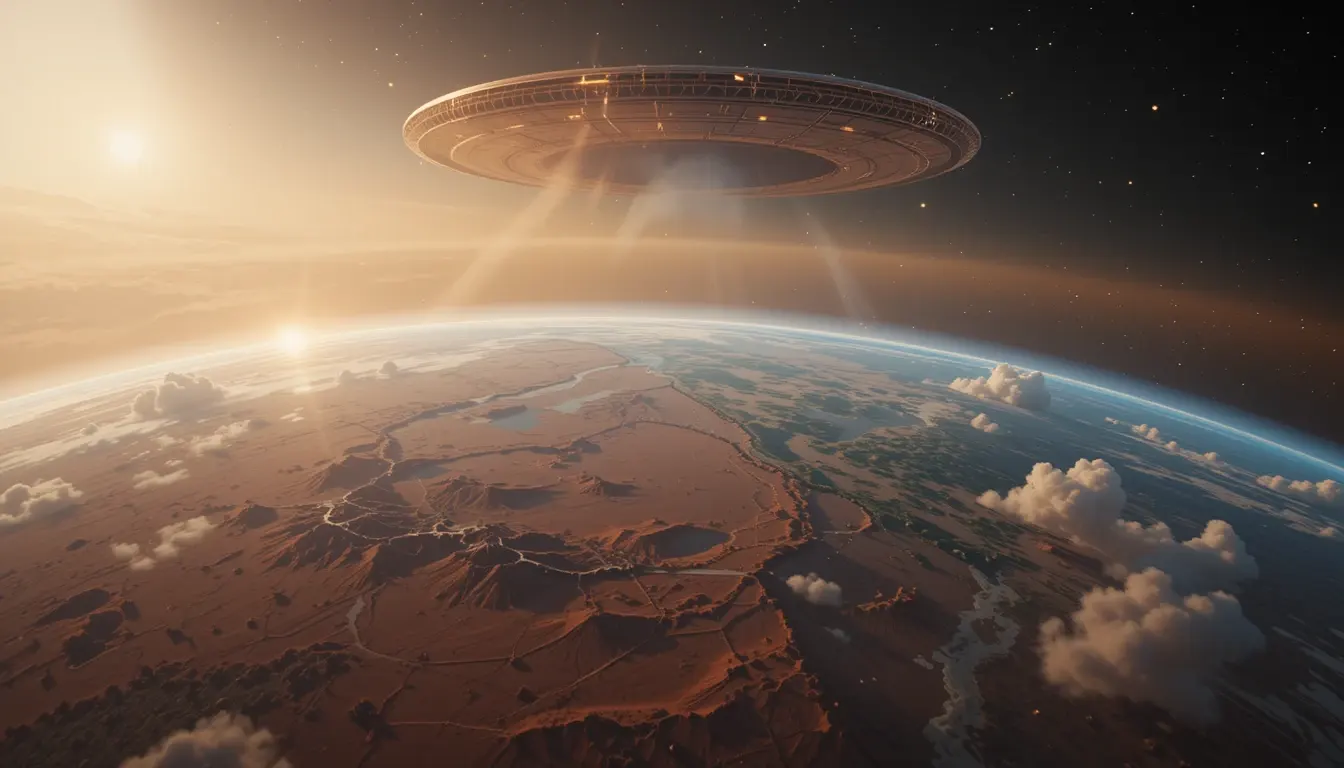
Can we really transform Mars into an Earth-like paradise, complete with blue skies, oceans, and breathable air? The concept of terraforming Mars has long been a favorite in both science fiction and serious scientific debates. From nuking the poles to creating artificial magnetic shields, researchers and dreamers alike are exploring bold ideas that could turn the Red Planet into humanity’s second home.
In this article, we’ll explore the science, challenges, and wild ideas behind Mars terraforming—and whether it’s something our generation might actually see.
What Is Terraforming Mars?
Terraforming is the process of transforming another planet’s environment to make it more Earth-like—warm, oxygen-rich, and suitable for human life without space suits. For Mars, that means solving three big problems:
- Temperature: Mars is freezing, with average surface temperatures around -80°F (-62°C).
- Atmosphere: Its air is mostly carbon dioxide, with very little oxygen.
- Radiation: Without a strong magnetic field, Mars is bombarded by harmful cosmic rays and solar radiation.
Theory #1: Nuking the Poles
One of the most controversial ideas comes from Elon Musk, who suggested detonating nuclear devices over Mars’ poles. The goal? Melt the polar ice caps, releasing vast amounts of CO₂ into the atmosphere. This would create a greenhouse effect, warming the planet.
The Science:
- The released CO₂ could thicken the atmosphere, trapping heat.
- Warmer temperatures might free more CO₂ and water vapor from the soil, accelerating the process.
The Problem:
- NASA research suggests Mars doesn’t have enough CO₂ to make this work.
- Nuclear fallout could create additional hazards for future settlers.
Theory #2: Building a Magnetic Shield
Mars lost its natural magnetic field billions of years ago, leaving it exposed to intense radiation. Without protection, even a thick atmosphere would slowly be stripped away by the solar wind.
The Solution: NASA scientists have proposed placing a giant magnetic shield at Mars’ L1 Lagrange Point—a stable location in space between Mars and the Sun.
Potential Benefits:
- The shield could block solar wind, allowing Mars’ atmosphere to rebuild naturally over decades.
- Combined with greenhouse warming, it might trigger liquid water to flow again.
Theory #3: Super Greenhouse Gases
Instead of nukes, scientists have considered releasing powerful synthetic greenhouse gases—thousands of times more effective than CO₂ at trapping heat.
Challenges:
- Manufacturing or transporting these gases to Mars would require massive industrial infrastructure.
- Environmental impact on a planetary scale is unpredictable.
Is Terraforming Mars Possible in Our Lifetime?
Current research suggests full terraforming of Mars could take centuries—if it’s possible at all with existing technology. However, partial terraforming (creating small, habitable zones called paraterraforming) might be achievable sooner.
Examples of near-term possibilities:
- Building dome-covered cities with controlled climates.
- Using greenhouse mirrors to focus sunlight on specific regions.
- Mining underground lava tubes for safe radiation-free settlements.
The Science Fiction Influence
Many of these ideas sound like they came straight out of The Martian, Total Recall, or Kim Stanley Robinson’s Mars Trilogy. And that’s no accident—science fiction often inspires real-world innovation. While some concepts remain purely speculative, others are edging closer to engineering reality.
Final Verdict: Science or Science Fiction?
Terraforming Mars isn’t impossible, but it’s an enormous challenge that blends cutting-edge science with a touch of science fiction. The truth is, we may never see a fully Earth-like Mars, but our species could still transform it into a place where life can thrive—at least in pockets.
For now, Mars remains a harsh, cold world, but every step we take toward colonization brings us closer to answering one of humanity’s biggest questions: Can we make another world our home?