Exploring Hydroponics, Algae Farming & Life Support Systems
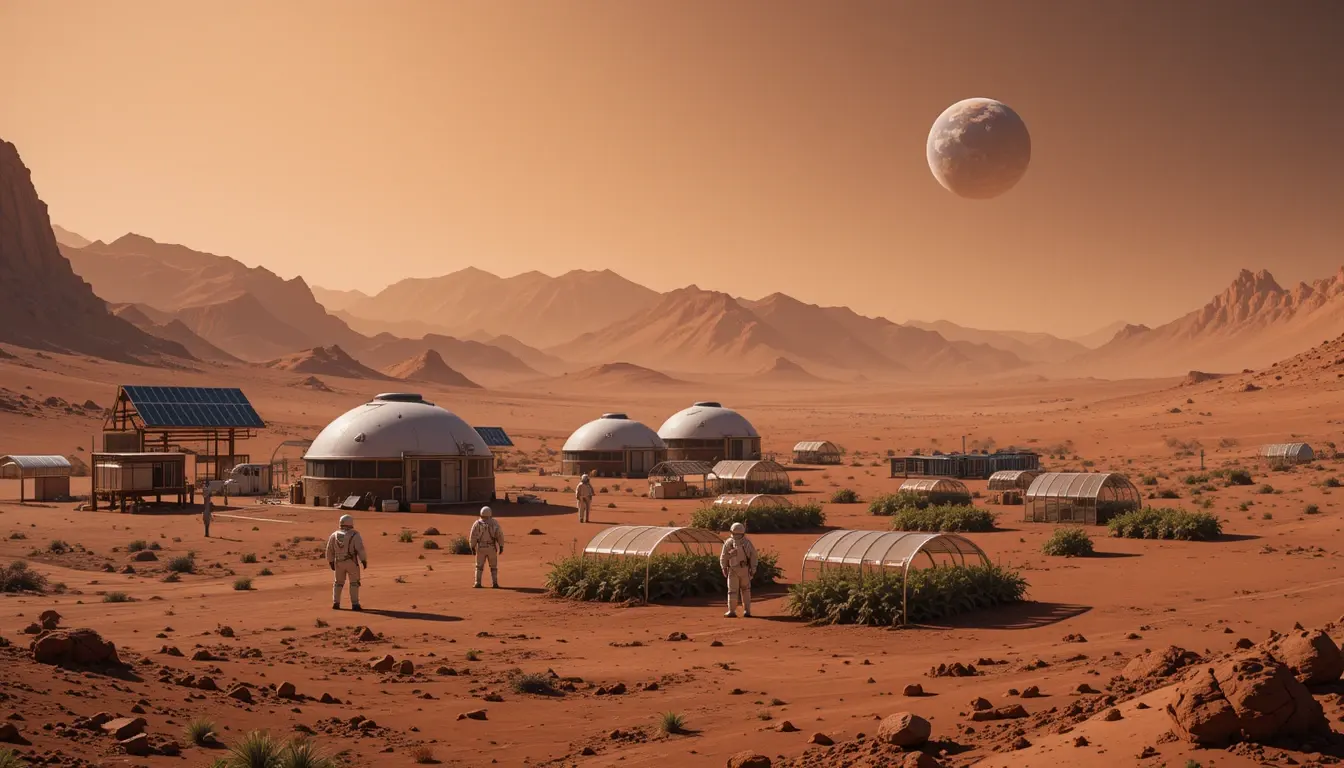
As humanity sets its sights on Mars colonization, one of the biggest challenges is clear: How will we grow food on Mars? Unlike Earth, Mars offers no fertile soil, bombards settlers with harsh radiation, and receives much less sunlight. These conditions make traditional farming impossible. Yet, scientists and engineers are pioneering innovative solutions to ensure future Martian settlers can sustain themselves.
The Challenges of Growing Food on Mars
Mars presents several major obstacles for agriculture:
- No natural soil: Martian regolith lacks essential nutrients and organic matter needed for plant growth.
- Harsh radiation: Without a protective magnetic field or thick atmosphere, radiation levels on Mars can damage plants and DNA.
- Low sunlight: Mars receives about 43% of Earth’s sunlight, which limits photosynthesis.
- Extreme temperatures: Fluctuating temperatures can be harmful to delicate crops.
To overcome these hurdles, researchers are developing alternative farming methods tailored for Mars.
Hydroponics: Growing Plants Without Soil
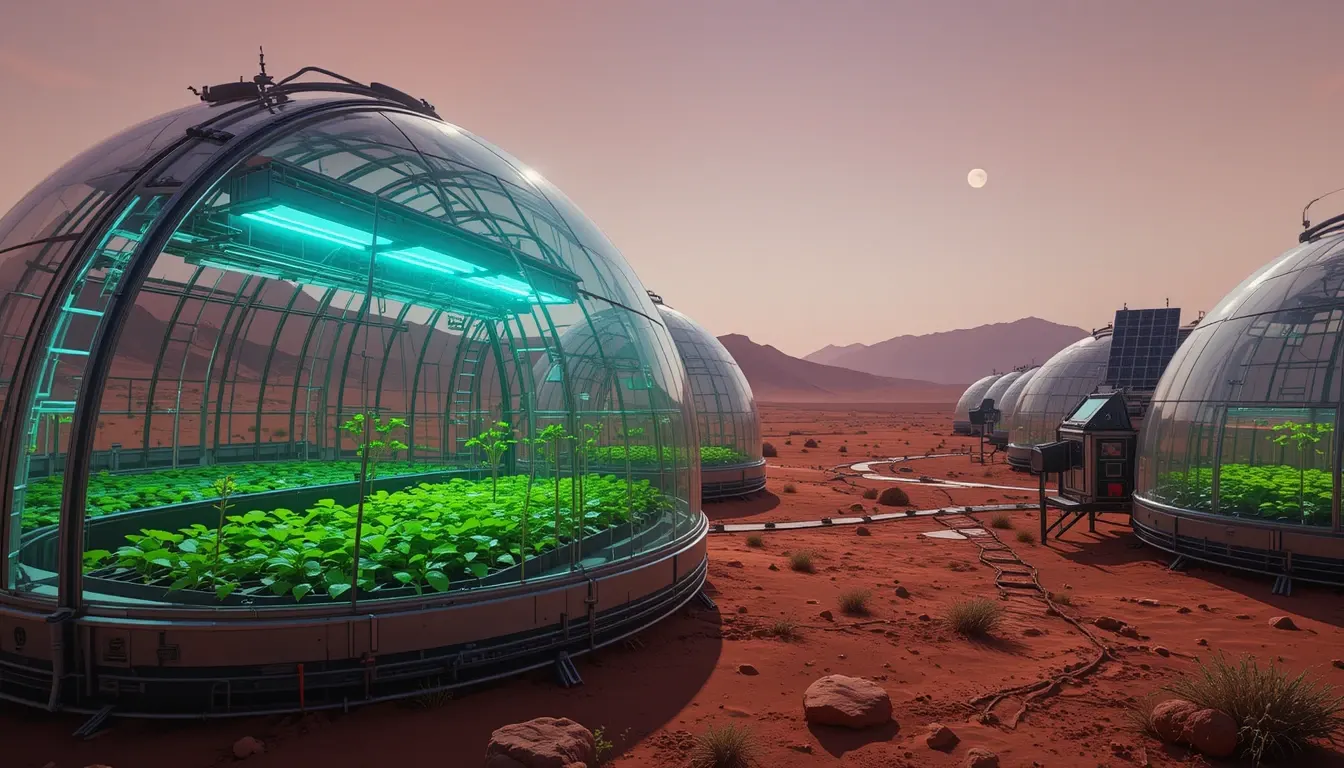
Hydroponics is a soilless farming technique that grows plants in nutrient-rich water solutions. This method offers several advantages for Martian agriculture:
- Requires less water than traditional farming.
- Enables precise control over nutrient delivery.
- Can be implemented indoors or inside greenhouses to protect from radiation.
NASA and space agencies have already experimented with hydroponic systems on the International Space Station, proving their viability in space environments.
Algae Farming: Tiny Powerhouses of Nutrition
Algae are microscopic organisms that grow quickly and can thrive in extreme conditions. Algae farming on Mars offers unique benefits:
- High in protein and essential nutrients.
- Can produce oxygen as a byproduct of photosynthesis.
- Requires minimal space and resources.
Algae could serve as a vital food supplement for astronauts and help maintain a breathable atmosphere within habitats.
Closed-Loop Life Support Systems: Recycling for Sustainability
Growing food on Mars won’t happen in isolation. It will be part of integrated closed-loop life support systems designed to recycle air, water, and waste.
- Plant growth systems will recycle carbon dioxide and produce oxygen.
- Waste from humans and plants can be composted and converted into nutrients.
- Water will be reclaimed and reused to minimize resource loss.
Such systems aim to create a self-sustaining habitat where food production supports life support and vice versa.
The Future of Martian Farming
Scientists continue to test these technologies through Earth-based simulations and space experiments. Combining hydroponics, algae cultivation, and closed-loop systems will be key to overcoming Mars’s inhospitable environment.
As we advance, growing food on Mars will move from theoretical to practical, ensuring that future explorers and settlers have the nourishment they need to thrive on the Red Planet.