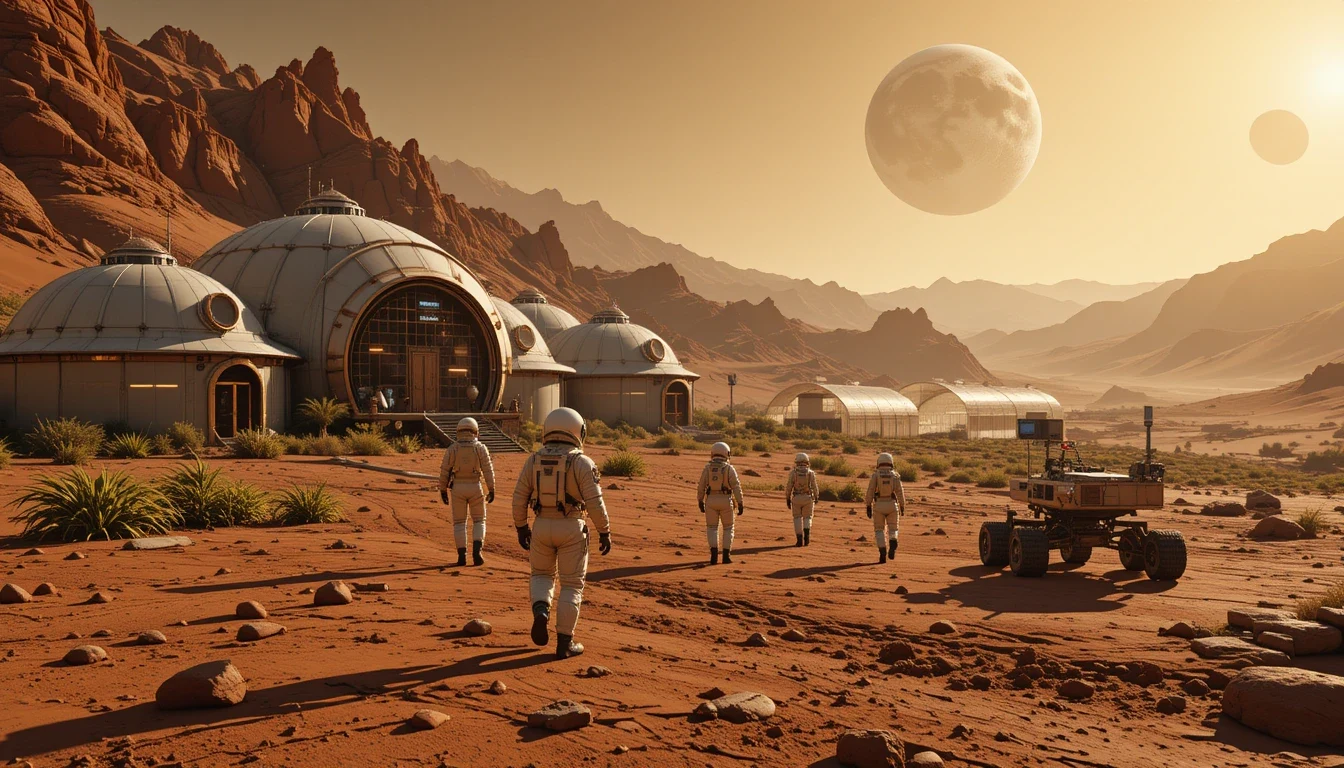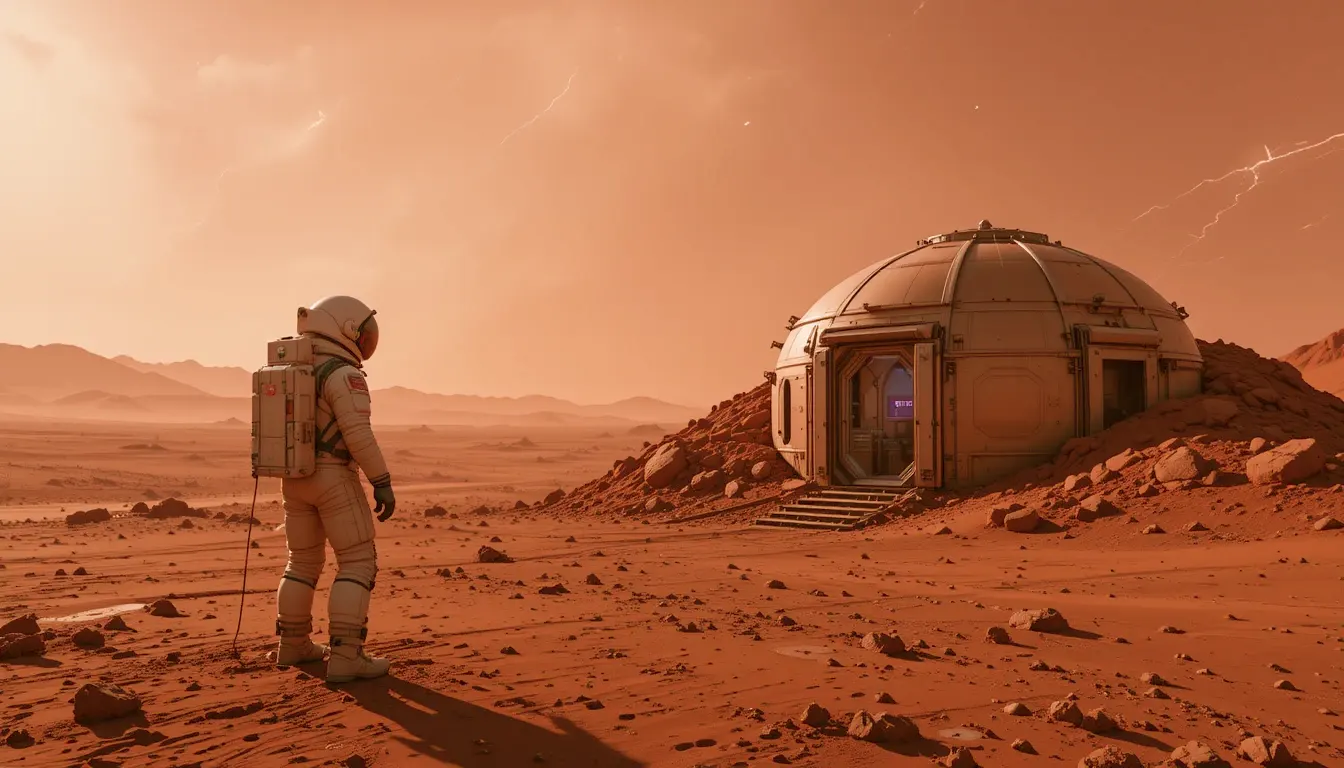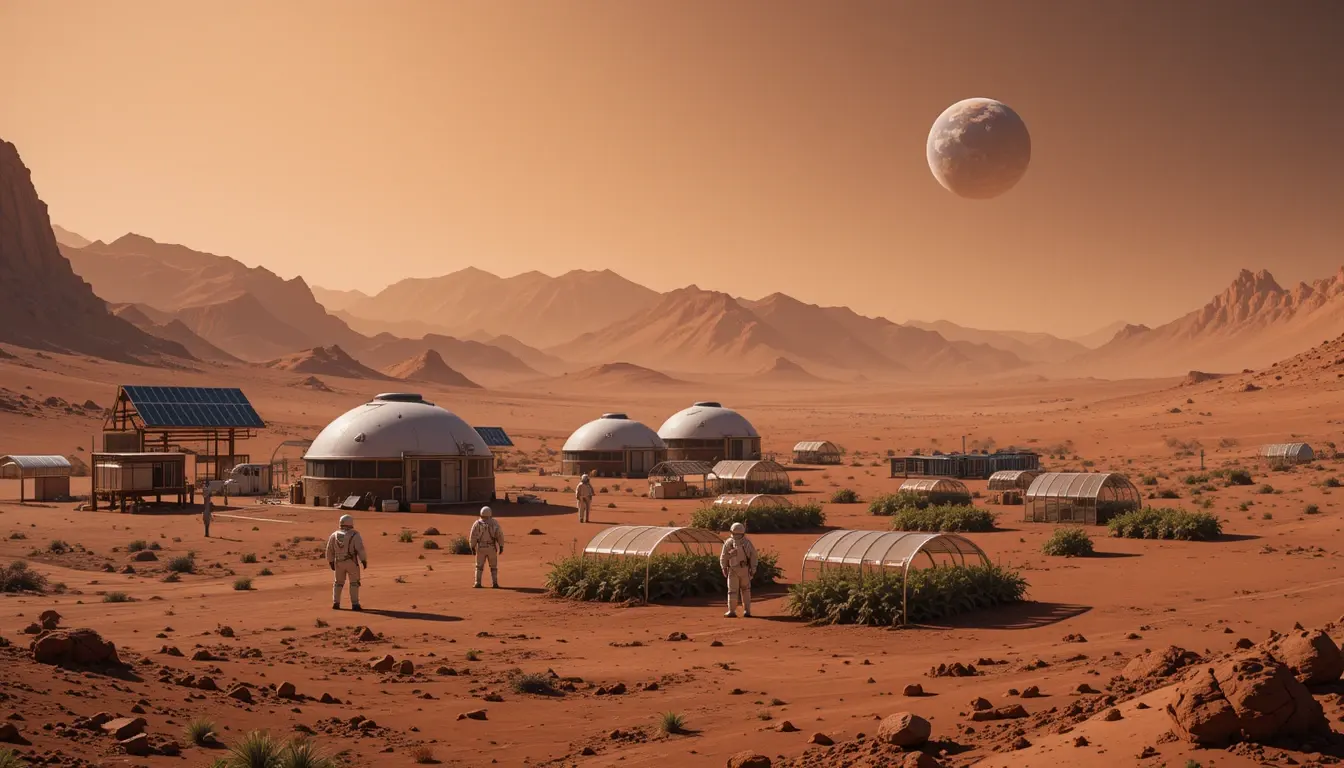
Exploring the Challenges and Realities of Colonizing the Red Planet
With Earth facing escalating challenges like climate change, pandemics, and geopolitical conflicts, many have turned their gaze to the stars and asked: Could Mars be humanity’s Plan B? The idea of colonizing Mars as a backup home for our species is inspiring but raises important questions about its true viability.
Why Consider Mars as a Backup for Humanity?
Earth’s increasing environmental instability and global crises have sparked concerns over the long-term survival of human civilization. Mars, being the closest potentially habitable planet, offers:
- A new frontier for human exploration and settlement.
- The chance to preserve human culture and knowledge off-world.
- Opportunities to advance science and technology in space habitats.
But dreaming of Mars as a refuge is very different from making it a sustainable reality.
The Challenges of Making Mars Habitable
Mars is a harsh environment with many obstacles to human survival:
- Thin atmosphere: Mars’s atmosphere is less than 1% the density of Earth’s, offering little protection from radiation or breathable air.
- Extreme temperatures: Average temperatures hover around -80°F (-62°C), with large daily swings.
- No liquid surface water: Water exists mostly as ice, requiring energy-intensive extraction.
- Low gravity: About 38% of Earth’s gravity, which could impact human health over time.
Creating livable habitats will require advanced technology and substantial resources.
Current Efforts Toward Mars Colonization
Organizations like NASA and SpaceX are actively developing missions aimed at:
- Sending crewed missions to Mars within the next decades.
- Building sustainable life support systems including food production and water recycling.
- Developing technologies for radiation shielding and habitat construction.
These efforts are laying the groundwork but highlight how complex and expensive Mars colonization will be.
Is Mars Truly a Viable Plan B?
While Mars offers hope, experts caution:
- Colonizing Mars won’t solve Earth’s problems—it’s more a complement than a replacement.
- The enormous cost and time to establish a self-sustaining colony means it’s not an immediate solution.
- Ethical questions arise about prioritizing space colonization versus Earth conservation.
Mars may be humanity’s “Plan B,” but the best plan remains protecting and sustaining our home planet.