
What Is Art Direction?
A Creative Guide to Visual Storytelling
In a visually-driven world, the way ideas are communicated through design has a massive impact. That’s where art direction comes in. It’s the bridge between imagination and execution—the strategic guidance behind every visual detail in advertising, branding, film, publishing, and digital media.
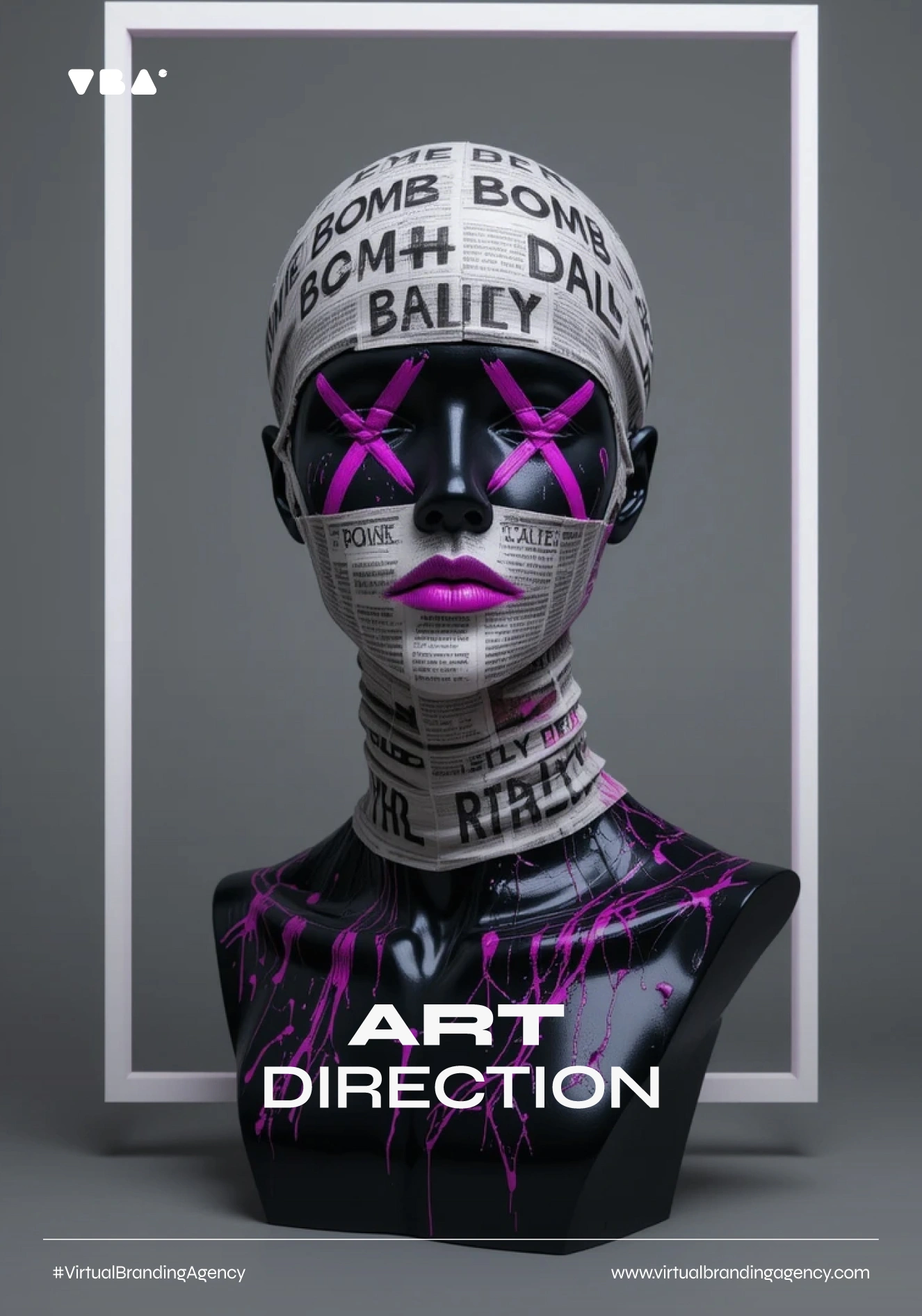
What Is Art Direction?
Art direction is the process of guiding the visual style and creative vision of a project. It involves deciding how a message should look and feel—through color, layout, composition, typography, photography, and more.
An art director leads this process, ensuring all visual elements align with the project’s goals, brand identity, and emotional tone. Art direction is not just about making things “look good”—it’s about making things look right for the story being told.
Key Responsibilities of Art Direction
Defining the Visual Style
Choosing a consistent look and tone that fits the brand or message (e.g., minimalist, vintage, bold, elegant).
Collaborating with Creative Teams
Working closely with designers, photographers, copywriters, stylists, videographers, and marketing teams.
Ensuring Visual Consistency
Overseeing the implementation of the style guide across multiple platforms (print, digital, video, social, etc.).
Translating Concepts into Visuals
Turning abstract ideas or marketing strategies into compelling visual executions.
Reviewing and Approving Work
Evaluating creative materials to ensure they meet the defined direction and brand standards.
Famous Examples of Iconic Art Direction
Apple – Sleek, minimal, and modern art direction that reinforces innovation and simplicity.
Vogue Magazine – Elegant and dramatic layouts guided by sophisticated art direction.
Wes Anderson Films – Known for symmetrical shots, color palettes, and distinct visual worlds shaped by deliberate art direction.
Where Is Art Direction Used?
Art direction plays a vital role in multiple industries, including:
Advertising – Crafting campaign visuals that grab attention and convey a brand’s message.
Film & TV – Creating the visual mood of scenes (sets, costumes, color grading).
Branding – Shaping the identity of a brand across logos, packaging, and marketing.
Web & UX Design – Ensuring that websites are visually cohesive and aligned with the brand voice.
Publishing – Designing the aesthetic layout of magazines, books, or editorial content.
Fashion & Photography – Directing photo shoots, styling, and visual storytelling.
Art Direction vs. Graphic Design
Although often confused, art direction and graphic design are distinct roles:
Art Direction
Focuses on vision and concept
Provides strategic guidance
Leads the creative team
Big-picture thinking
Graphic Design
Focuses on execution and layout
Carries out design tasks
Works under creative direction
Detail-oriented work
In short, the art director decides what something should look like, and the designer brings that vision to life.
Elements of Great Art Direction
Strong Conceptual Thinking
The best visuals start with a powerful idea that supports the message.
Attention to Emotion and Mood
Visuals should evoke the desired feelings in the audience—whether calm, excitement, trust, or urgency.
Mastery of Design Principles
Knowledge of color theory, typography, spacing, balance, and composition is essential.
Cohesion Across Channels
Whether on social media or in print, all visuals must feel part of a single, unified system.
Cultural Awareness
Good art direction considers cultural context, symbolism, and audience preferences.
The Role of an Art Director
An art director wears many hats:
Creative leader
Visual storyteller
Brand guardian
Team collaborator
Quality controller
They must blend creativity with communication, ensuring that the final visuals are not only beautiful but also effective and aligned with business or narrative goals.
Why Art Direction Matters
In a sea of content, visuals often speak louder than words. Art direction ensures that those visuals are not just eye-catching, but purposeful.
It strengthens brand identity
Elevates campaigns and content
Engages audiences emotionally
Drives consistency and professionalism
Turns concepts into memorable experiences
Final Thoughts
Art direction is the creative heartbeat of any visual project. It blends imagination with strategy, shaping how stories are told and how brands are perceived. Whether you’re launching a product, producing a film, or rebranding a business, strong art direction ensures that every visual detail aligns with the bigger vision.

